Updated ETGet the DI Daily by Email

Technology news for e-commerce professionals, with our take on why it matters.

Ongoing coverage: The contest to control how AI agents pay

Banks curb outside AI agents as McKinsey warns token bills could hit 20% of labor costs

Banks curb outside AI agents as McKinsey warns token bills could hit 20% of labor costs
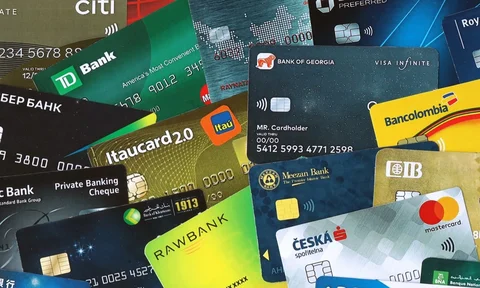
Image: PYMNTS

JPMorgan Chase blocks agents from shopping with customers' card numbers, the Journal reported, while Stripe routes around it with one-time virtual cards.

Source: PYMNTS

Most banks currently block external AI agents from authorizing transactions in their systems, Reuters reported, citing McKinsey's Global Banking Annual Review, PYMNTS writes. McKinsey surveyed 46,000 retail banking customers worldwide: among AI users, 72% said they would let a banking agent perform one financial task, though they would cap autonomous approvals at $500. McKinsey expects widespread customer use of agents within three years, and warned that token spending on banks' own agents could easily reach 20% of their total labor costs. Some banks have set up AI FinOps teams to oversee that spending.

A WilmerHale client alert on the U.K. Financial Conduct Authority framework separates authenticating an agent from establishing its authority. Under the U.K. Payment Services Regulations, authorization depends on payer consent through an agreed procedure, so a verified agent may still act outside what the customer intended. WilmerHale cautions banks to consider what evidence they need to accept agent-initiated transactions.

In a separate report, PYMNTS cites The Wall Street Journal as reporting that JPMorgan Chase blocks agents from shopping with customers' credit cards when given the card number, while Bank of America, Capital One and Citigroup cards are already used by agents. Stripe's Link gets around the block with a one-time virtual card. Merchants say that card costs more to accept because it is classed as commercial, and makes returns harder, the Journal reported. Mastercard CEO Michael Miebach called virtual card numbers "a bridge" to fully tokenized transactions.

Read the full article at PYMNTS

Our take

Whether an agent can complete checkout now depends partly on which bank issued the shopper's card, and the reported workarounds may raise your acceptance costs.

  • Check how agent orders paid with one-time virtual cards price out against consumer cards in your interchange data.
  • Ask your processor when Visa and Mastercard agentic tokens will replace virtual cards.
  • Review how returns work when the paying card differs from the shopper's own.

Was our take useful?

Key takeaways

  1. McKinsey warns token spending could reach 20% of banks' total labor costs
  2. 72% of AI-using bank customers would let an agent do one task, capped at $500
  3. JPMorgan blocks agents using customers' card numbers, the Journal reported

More on this topic

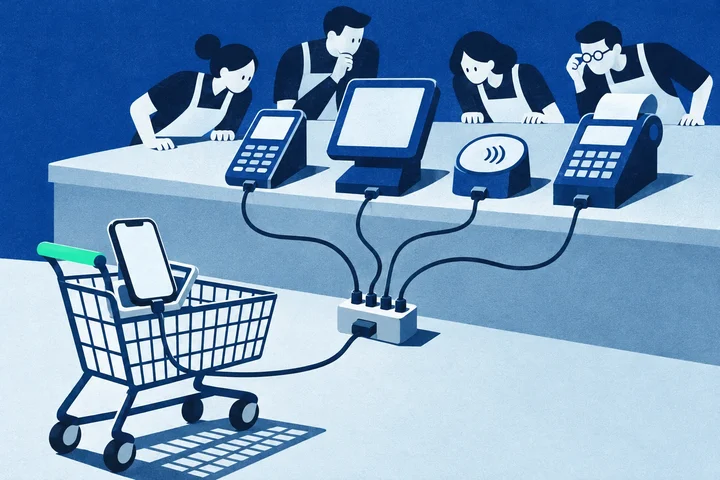
Illustration for The contest to control how AI agents pay
Illustration: Digital Influence

Ongoing story13 postsUpdated Nov 13

The contest to control how AI agents pay

Card networks, processors and startups are competing to define the payment and checkout layer for purchases that agents start.