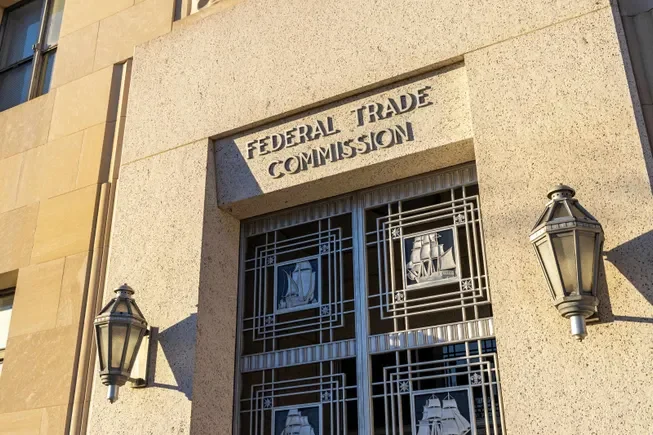
The Federal Trade Commission is taking public comments on whether to update its rule against impersonating government and business officials so that technology platforms share more responsibility for policing scam ads, Payments Dive reported. The FTC laid out the idea in an Oct. 1 proposal and named Google, Facebook and Apple sites among examples of platforms where scams take place.
The FTC said consumers lost $16 billion to fraud last year, 25% more than in 2024, including about $3.5 billion in imposter schemes reported by more than one million people. The agency said search, social and marketplace platforms profit from optimizing ads for third parties regardless of whether those third parties are legitimate. It asked, among other questions, what steps platforms should take to confirm suspected impersonation ads and what requirements would cost-effectively keep ad-optimization tools from being used for deceptive ads.
Mayer Brown attorneys wrote that by targeting platforms' own optimization conduct, such as generating ad copy, images and video and targeting audiences, the FTC could argue platforms are liable for their own actions, which they said would likely be contested. The FTC has received nearly 200 comments, mainly from consumers, and the deadline is the end of the month. Google, Meta and Apple did not immediately respond to Payments Dive's requests for comment.