Updated ETGet the DI Daily by Email

AI news for e-commerce professionals, with our take on why it matters.

Ongoing coverage: The contest to control how AI agents pay

Visa sent 22 AI agents shopping and they completed the job about 57% of the time

Visa sent 22 AI agents shopping and they completed the job about 57% of the time
Image: Fortune

Across 330 test runs buying TVs, laptops and hair tools, the best agents hit 82% while the five cheapest models averaged 50%.

Source: Fortune

Visa tested 22 AI agents on buying three everyday products (a TV, a laptop and a hair appliance), with 15 separate shopping attempts per agent. The shopper was also an AI agent. It had a list of required attributes, such as compatibility with a game console, a 30-day return window or Dolby Vision support, but volunteered only some of them, so the shopping agent had to ask for the rest.

Overall success was about 57%. A Google Gemini model and a Meta model tied for first at 82%, a Claude agent came third at 76%, and an OpenAI agent ranked sixth at 64%. The five most expensive models averaged 67% success and the five cheapest averaged 50%. The most common failures were buying the wrong product, failing to recommend anything suitable, and not asking about missing requirements.

Rubail Birwadker, Visa's global head of growth, told Fortune that neither the technology nor consumer trust is ready yet, though he expects shoppers to hand off purchases eventually. Visa published each agent's results on a public website.

Read the full article at Fortune

Our take

Visa has its own stake in how agent shopping is framed, but the failure patterns still matter: agents often bought the wrong product or never asked about requirements like return windows and compatibility.

  • Put return policies, compatibility and key specs into structured product data and feeds.
  • Test your top categories in the major assistants monthly to see what they get wrong.
  • Assign clear owners for returns, service and disputes on agent purchases.

Was our take useful?

Key takeaways

  1. Agents completed purchases about 57% of the time across 330 runs
  2. The best agents hit 82%; the five cheapest models averaged 50%
  3. Most failures came from not drawing out or matching the shopper's requirements

More on this topic

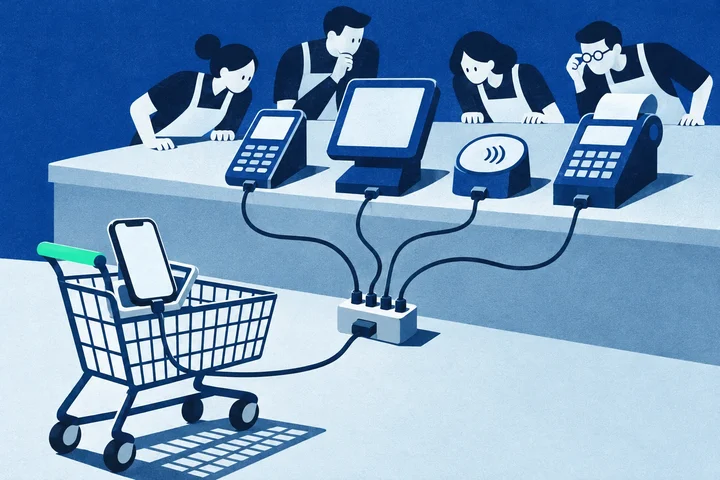
Illustration for The contest to control how AI agents pay
Illustration: Digital Influence

Ongoing story6 postsUpdated Nov 11

The contest to control how AI agents pay

Card networks, processors and startups are competing to define the payment and checkout layer for purchases that agents start.