Updated ETGet the DI Daily by Email

Technology news for e-commerce professionals, with our take on why it matters.

Developing story: EU's Digital Fairness Act and the crackdown on dark patterns

EU Digital Fairness Act would require approval for paid AI agent purchases

EU Digital Fairness Act would require approval for paid AI agent purchases
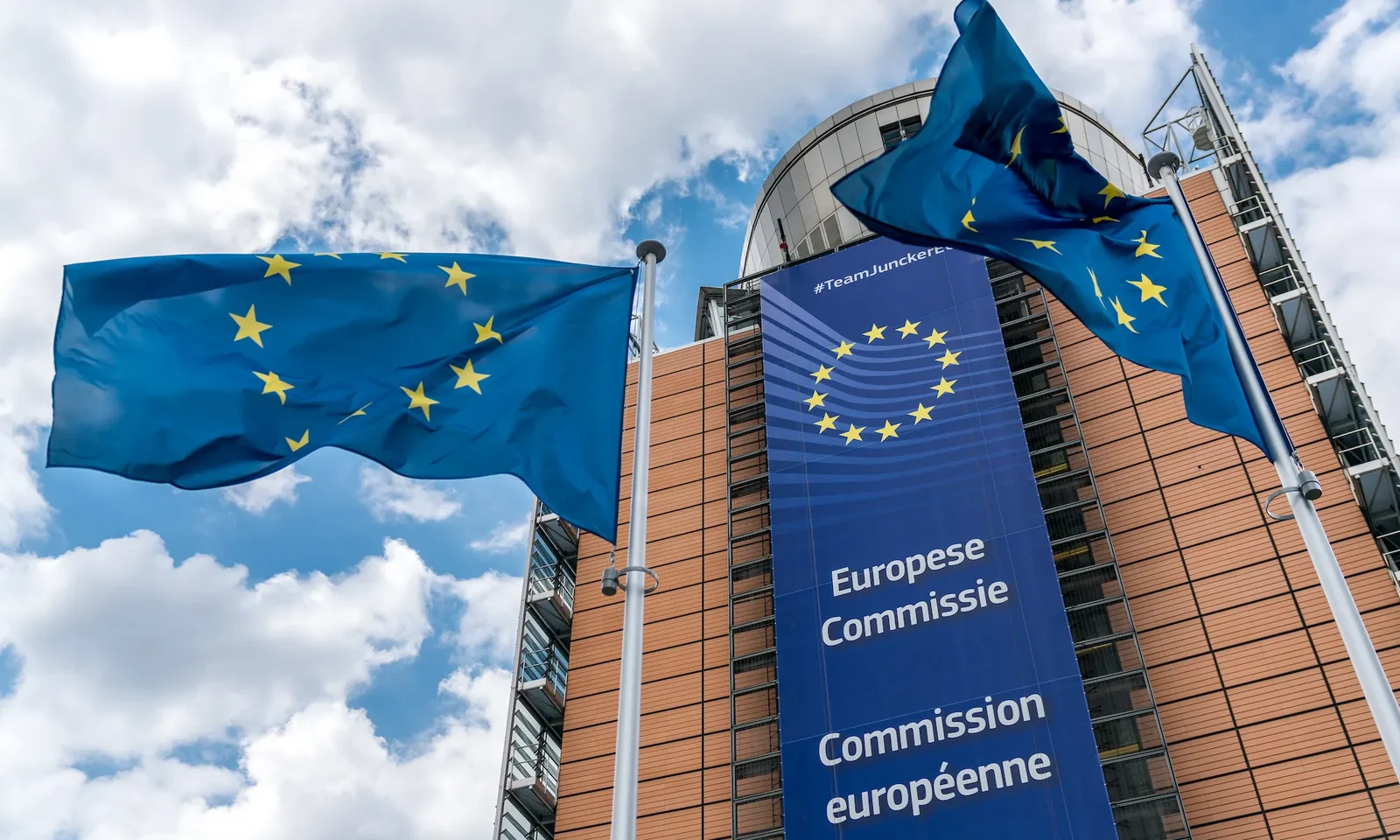
Image: PYMNTS

A companion enforcement proposal would let the Commission fine large cross-border traders up to 6% of worldwide turnover and require non-EU sellers to name an EU representative.

Source: PYMNTS

The European Commission's Digital Fairness Act (DFA) proposal, published November 11, would set rules for AI agents that shop and sign contracts for consumers, PYMNTS reported. Under proposed Article 26, providers of automated contracting tools would have to ask shoppers on first use whether to approve every contract, approve only certain contracts under their own criteria (including a price ceiling and a time limit), or allow purchases without prior confirmation. Shoppers could change settings at any time.

If the agent provider is paid to propose a contract, or has a conflict of interest with the seller, it would have to disclose that and get approval for the transaction even when automatic purchases are allowed. PYMNTS said this would turn referral-fee arrangements into a checkout requirement. Sellers would have to send plain-language confirmations of agent-made contracts, could share some pre-contract information in machine-readable form when both sides use automated systems, and could not make an agent mandatory to use their sites. Financial services are excluded.

The broader DFA would ban tactics such as false low-stock warnings, restrict unfair personalized ads and pricing involving minors or sensitive data, make subscriptions easier to cancel and require access to a human on request when other post-purchase service options fail, according to PYMNTS.

A companion revision of the Consumer Protection Cooperation Regulation would let the Commission investigate large cross-border cases directly, with fines of up to 6% of worldwide annual turnover. Traders outside the EU that target its consumers would need a legal representative in the bloc. The European Parliament and Council will now consider both proposals.


Read the full article at PYMNTS

Our take

If you run or rely on shopping agents paid through referral or affiliate fees, this proposal would add a disclosure and approval step at exactly the point of sale, and non-EU sellers would gain an EU legal contact for enforcement.

Final terms depend on Parliament and Council, with no timeline given. Map where your agent partners earn referral fees, and check whether your order confirmations and post-purchase service already meet the proposed rules.

Was our take useful?

Key takeaways

  1. Article 26 would make shoppers choose how much purchase freedom an AI agent gets
  2. Paid or conflicted agent recommendations would need disclosure and per-order approval
  3. Proposed fines reach 6% of worldwide turnover in large cross-border cases

More on this topic

Illustration for EU's Digital Fairness Act and the crackdown on dark patterns
Illustration: Digital Influence

Developing story3 postsUpdated Nov 23

EU's Digital Fairness Act and the crackdown on dark patterns

The European Commission is expected to present a Digital Fairness Act that, according to a Euronews report cited by t3n, bans dark patterns such as fake checkout scarcity and subscription traps.