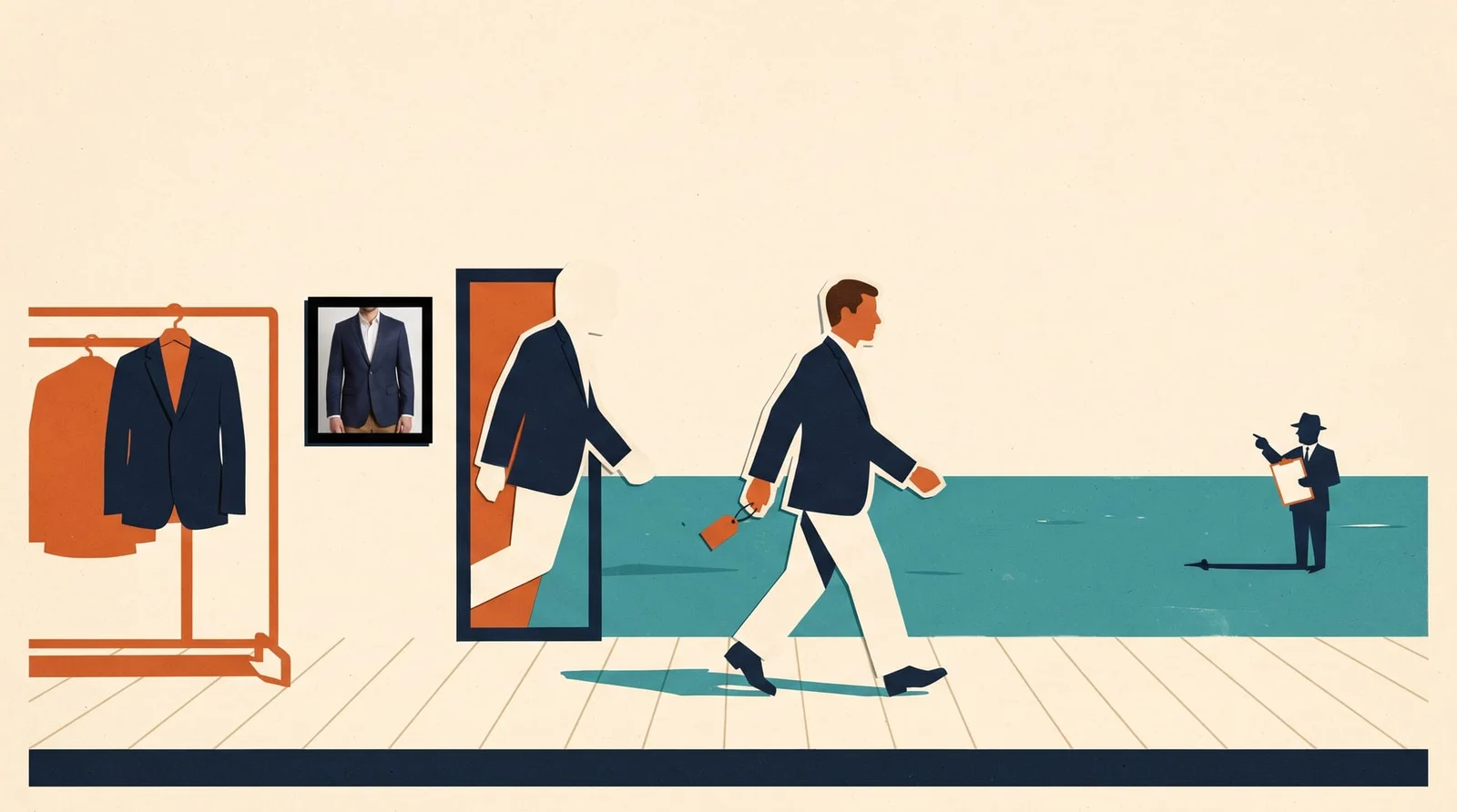
Jeffrey S. Stanfield, a Los Angeles model and actor, sued Cooper Street, LLC, the Texas company that does business as clothing brand RomperJack, in the US District Court for the Central District of California on November 18, 2026, PPC Land reported. His complaint alleges the brand took photos from a January 2021 shoot, for which he says he signed no release and received only clothing and prints, and used them to generate two AI-generated Instagram ads and a video showing him in fabricated settings, movements and reactions.
The complaint leans on the brand's change of ownership. RomperJack's owner, Emmanuel Sullivan, said the business was acquired in January 2025 and "acknowledged in correspondence that the artificial-intelligence enhancements were created after" that purchase, according to the filing. RomperJack responded to a June 23, 2026 demand letter by saying it relied on materials inherited from the prior owner and that a photographer reported a verbal arrangement, the complaint says. According to the complaint, the defendants said they removed the challenged materials, and the company denied liability. No response from Cooper Street is on the docket, and none of the claims has been tested.
Stanfield pleads Lanham Act false endorsement plus four California claims, including right of publicity. He seeks damages, the company's profits, punitive damages and an order barring any AI-generated depiction of him without written consent, but names no dollar figure. The complaint cites his day rate of about $2,500 and past usage fees of $2,500 to $10,000. It does not name the AI tool used or give ad spend or impressions, PPC Land noted.